




Curiosities about the Nebrodi hazelnut
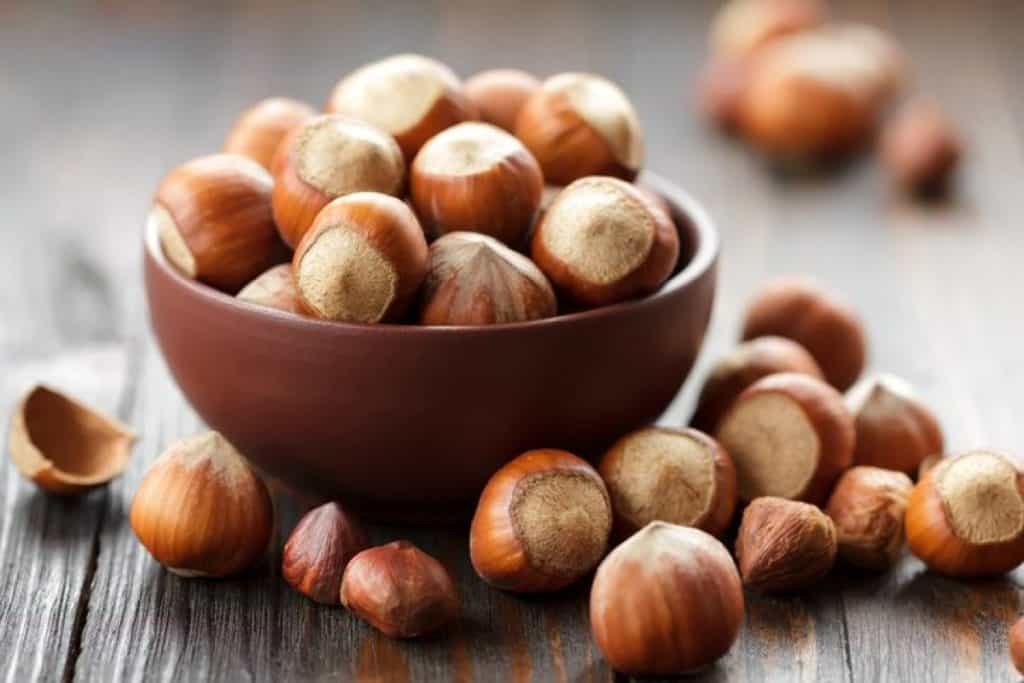
The Hazel: A Treasure from Prehistory to the Present Day
The Prehistoric Origins of the Hazel Tree
Nebrodi hazelnuts The hazelnut plant, belonging to the Betulaceae family, has origins dating back to prehistoric times. Even back then, our ancestors had already discovered the nutritional value and versatility of hazelnuts, using them as a food source and fundamental resource for survival. Fossil traces indicate that the hazelnut was widespread in Europe long before the arrival of agriculture, and some archaeological evidence suggests that it was cultivated by humans as far back as ancient times.
The Core in Antiquity: Rome and France
In ancient Roman times, the hazel tree had a very high symbolic value. It was customary to give hazelnut plants to wish happiness, prosperity and good health. This tradition, deeply rooted in Roman culture, emphasised the importance of this plant in daily life. In France, the hazel tree was considered a symbol of fertility, and its nuts were often exchanged as gifts during wedding ceremonies. This belief was based on the plant's ability to produce abundant fruit and the hazel's long life, which could last for centuries.
The Spread of Hazel in Europe
The hazelnut spread across Europe after the last ice age, finding fertile ground in different regions of the continent. Its ability to adapt to a wide range of climates and soils has allowed the hazelnut to become a widely cultivated plant, especially in Mediterranean areas. Italy, thanks to its favourable climate, has become one of the main hazelnut producers in the world. In particular, Sicily has been able to capitalise on this cultivation, with the Nebrodi varieties being particularly appreciated today for their balance of texture, fragrance and aroma. These unique characteristics can be found in all hazelnut dishes, ranging from sweets to savoury preparations.
Hazelnut Cultivation in the Nebrodi: A Millenary Heritage
The Nebrodi, a mountain range located in the northern part of Sicily, offer an unspoilt habitat rich in biodiversity. Here, hazelnut cultivation has been documented for at least 16,000 years, representing a source of wealth and development for the area. Nebrodi hazelnuts are known for their superior quality, due to the unique microclimate and soil composition, which gives the fruit an unmistakable flavour and aroma.
In the Nebrodi territory, between Ucria, Tortorici and Castell'Umberto, the production of high quality hazelnuts is concentrated. Harvesting takes place in the months between September and October, when the fruits have reached the right ripeness and tend to detach from the plant and fall. This traditional harvesting method, called 'bacchiatura', ensures that only ripe and superior quality hazelnuts are selected.
Nebrodi Hazelnuts: A Product of Excellence
Nebrodi hazelnuts are famous for their crunchy texture, intense fragrance and delicate aroma. These characteristics make them a very versatile ingredient in the kitchen, used in both sweet and savoury preparations. The quality of Nebrodi hazelnuts is such that they are considered a product of excellence, not only in Italy but also abroad. Their fame has crossed national borders, and today Sicilian hazelnuts are in demand by top chefs and pastry chefs all over the world.
If you would like to find out more about Nebrodi hazelnuts and the hazelnut products available, you can visit the website of Pistì.
The Health Benefits of Hazelnuts
Nutritional Properties of Hazelnuts
The moderate consumption of hazelnuts offers numerous health benefits. These small fruits are rich in essential nutrients, including unsaturated fats, fibre, vitamins and minerals, which contribute to the body's overall well-being. Here are some of the main benefits of hazelnuts:
- Fibres: Hazelnuts are rich in fibre, which helps improve digestion and increases satiety, aiding weight control.
- Unsaturated fatsThey contain a good amount of unsaturated fats, known for their ability to reduce bad cholesterol (LDL) and increase good cholesterol (HDL). This helps reduce the risk of cardiovascular disease.
- Vitamin E: Hazelnuts are an excellent source of vitamin E, a powerful antioxidant that protects cells from oxidative damage and supports healthy skin and immune systems.
- Vitamin B9 (Folic Acid): Vitamin B9 is particularly important for pregnant and lactating women as it supports the formation of the foetus' neural tube and the production of red blood cells.
- Magnesium and PotassiumThese minerals are essential for muscle and nerve health, and help maintain a proper electrolyte balance in the body.
- Proteins and Essential Amino Acids: Hazelnuts provide a good amount of protein and essential amino acids, which are crucial for building and maintaining muscles and tissues.
Cardiovascular Benefits
Numerous scientific studies have shown that regular consumption of hazelnuts can help reduce the risk of cardiovascular disease. This effect is mainly due to the presence of unsaturated fats, which help keep cholesterol levels under control. In addition, hazelnuts contain phytosterols, plant compounds that can further help reduce LDL-cholesterol levels in the blood. The combination of these nutrients makes hazelnuts an ideal food for protecting heart health.
Hazelnuts in the Mediterranean Diet
Hazelnuts are a key component of the Mediterranean diet, a diet considered among the healthiest in the world. This diet, rich in nuts, olive oil, fish, vegetables and whole grains, is associated with a reduced risk of chronic diseases, including heart disease, diabetes and some cancers. Incorporating nuts into your daily diet is an easy and tasty way to benefit from the healthy properties of this fruit.
For more information on the benefits of hazelnuts and to discover hazelnut products available online, visit Pistì.
Hazelnuts in Cooking: Versatility and Creativity
Hazelnuts in First Courses
Hazelnuts are a very versatile ingredient in the kitchen, which can be used in a wide range of dishes, from starters to desserts. For example, on a risotto with radicchio and gorgonzola cheese, a sprinkling of chopped hazelnuts is definitely your ace in the hole. The sweetness of the hazelnuts perfectly matches the bitterness of the radicchio and the intense flavour of the gorgonzola, creating a balance of flavours that makes the dish truly special.
Another idea for using hazelnuts in pasta dishes is to prepare pasta with hazelnut pesto. This sauce, prepared with chopped hazelnuts, extra virgin olive oil, garlic and Parmesan cheese, is a variation of the traditional Genoese pesto, but with a sweeter and creamier flavour. Pasta with hazelnut pesto is a simple yet refined dish, perfect for a special lunch or dinner.
Hazelnuts in Main Courses
Hazelnuts can also be used to enrich main courses, both meat and fish. For example, a pork fillet in a hazelnut crust is an elegant and tasty dish, perfect for an important dinner. The chopped hazelnuts, mixed with herbs and breadcrumbs, form a crunchy crust that contrasts beautifully with the softness of the meat.
Fish can also be combined with hazelnuts, e.g. by preparing a slice of salmon with hazelnut sauce. The sauce, made with toasted hazelnuts, cream and a pinch of pepper, enhances the flavour of the salmon without covering it, adding a touch of elegance to the dish.
Hazelnuts in Sweets: A Sicilian Tradition
In Sicily, hazelnuts are the protagonists of many traditional sweets. Among the best known are the 'paste di nocciola' (hazelnut pastries), soft and fragrant sweets prepared with hazelnut flour, sugar and egg whites. These sweets, which can be enriched with chocolate chips or candied fruit, are perfect to accompany coffee or tea.
Another typical hazelnut dessert is the croccante, a simple but delicious preparation of caramelised sugar and whole hazelnuts. The croccante is a dessert that is prepared mainly during the Christmas season, but it is so good that it is often eaten all year round.
For those who love intense flavours, hazelnut nougats are a must. These sweets, made with honey, sugar and egg whites, are enriched with a generous amount of roasted hazelnuts, which give the nougat a unique flavour and texture.
If you would like to try these sweets and many others, you can find a wide selection of hazelnut products at Pistì.
The Hazelnut and the Biodiversity of the Nebrodi
A Unique Habitat for Hazel Growing
The Nebrodi, with their pristine environment and rich biodiversity, represent an ideal habitat for hazelnut cultivation. Here, the plant grows luxuriantly, thanks to a unique microclimate that combines mild temperatures, fertile soils and an abundance of water. These favourable conditions allow the hazelnut tree to develop optimally, producing fruit of the highest quality.
The Sustainability of Cultivation
Hazelnut cultivation in the Nebrodi is characterised by sustainable practices that respect the environment and preserve biodiversity. Hazelnut groves are cultivated in a traditional way, without the use of chemical pesticides, and harvesting is done manually to ensure that only the best fruits are selected. This sustainable approach not only helps protect the local ecosystem, but also ensures that the hazelnuts produced are of superior quality.
The Importance of Biodiversity
The biodiversity of the Nebrodi is one of the main factors contributing to the quality of the hazelnuts produced in this region. The presence of a wide range of plant and animal species, together with the variety of microclimates and soils, creates an ideal environment for hazelnut cultivation. This rich natural heritage is the result of millennia of evolution and interaction between man and the environment, and represents an invaluable asset for the area.
Curiosities and Traditions Related to the Hazelnut
The Hazel in Mythology and Folklore
The hazelnut is a plant that has always played an important role in the mythology and folklore of many cultures. In Celtic mythology, the hazelnut was considered a sacred tree, associated with wisdom and knowledge. It was believed that eating hazelnuts could bestow wisdom and divine inspiration, and hazel wood was often used to make magic wands and talismans.
Even in Sicilian folk tradition, the hazelnut is surrounded by numerous legends and superstitions. For instance, it was believed that carrying a hazelnut could protect against disease and evil spirits. Moreover, planting a hazelnut near one's home was considered a gesture of good luck, as it was believed that the tree could attract good fortune and prosperity.
The Hazelnut in Celebrations and Feasts
In Sicily, the hazelnut is often the protagonist of festivals and feasts celebrating typical local products. One of the most important is the Hazelnut Festival held every year in Tortorici, in the heart of the Nebrodi Mountains. During this festival, the streets of the village come alive with food stands, shows and cultural activities, all dedicated to the hazelnut and its derivatives. It is an unmissable occasion to taste the best Nebrodi hazelnuts and discover local traditions.
Another celebration in which the hazelnut plays a starring role is the Hazelnut Festival held in Castell'Umberto. Once again, the festival is a tribute to the hazelnut and its many applications in the kitchen. During the festival, it is possible to participate in tastings, attend cooking demonstrations and buy hazelnut-based handicraft products.
Conclusions: Discover Nebrodi Hazelnuts with Pistì
Nebrodi hazelnuts represent a real treasure of Sicily, a product of excellence that encapsulates all the richness and biodiversity of this unique territory. If you would like to find out more about Nebrodi hazelnuts and hazelnut products, visit the website of Pistì. Here you will find a wide range of high quality products, from whole hazelnuts to traditional sweets, all made with carefully selected ingredients.
No matter where you are, with Pistì you can bring a piece of Sicily into your kitchen, and enjoy the authentic and genuine flavours of this extraordinary land.


